Financial literacy for beginners opens doors to a world of understanding and empowerment. Dive into the fundamentals of managing your money and making informed decisions.
From understanding basic financial concepts to practical money management tips, this guide will equip you with the knowledge needed to build a strong financial foundation.
Importance of Financial Literacy
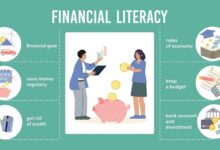
Financial literacy is crucial for beginners as it provides the necessary knowledge and skills to manage personal finances effectively. By understanding key financial concepts, individuals can make informed decisions regarding budgeting, saving, investing, and debt management.
Benefits of Being Financially Literate
- Improved financial decision-making: Financial literacy empowers individuals to make sound decisions when it comes to managing their money. This includes setting realistic financial goals, creating a budget, and understanding the implications of financial choices.
- Increased savings and wealth accumulation: Being financially literate enables individuals to save more effectively and invest wisely. This can lead to long-term wealth accumulation and financial stability.
- Reduced financial stress: Financial literacy helps individuals better cope with unexpected expenses, emergencies, and financial setbacks. By having a solid understanding of personal finance, individuals can plan for the future and mitigate financial risks.
Basic Financial Concepts
Budgeting, saving, investing, and debt management are key terms in financial literacy that beginners should understand to build a strong foundation for managing their finances effectively. Creating a budget is essential to track income and expenses, while saving helps in building an emergency fund or achieving financial goals. Investing allows money to grow over time, and debt management involves strategies to pay off debts efficiently.
Importance of Creating a Budget
Creating a budget is the fundamental step in managing personal finances. It helps individuals track their income, expenses, and savings, providing a clear overview of their financial situation. By setting limits on spending and prioritizing financial goals, a budget enables better decision-making and helps avoid unnecessary debt. With a budget in place, individuals can allocate resources effectively and work towards achieving financial stability.
Compound Interest and its Impact on Savings
Compound interest is a powerful concept in finance that can work for or against individuals, depending on whether they are saving or borrowing money. When saving, compound interest allows the initial investment to grow exponentially over time, as interest is earned on both the principal amount and the accumulated interest. This compounding effect can significantly increase savings and help individuals reach their financial goals faster. On the other hand, when borrowing money, compound interest can lead to mounting debt if not managed properly. Understanding how compound interest works is crucial for making informed financial decisions and maximizing savings potential.
Building a Strong Financial Foundation
Building a strong financial foundation is crucial for achieving long-term financial stability and success. This involves setting clear financial goals, establishing emergency funds, and effectively managing debt.
Tips for Setting Financial Goals
Setting financial goals is the first step towards building a strong financial foundation. Here are some tips to help you set effective financial goals:
- Set specific and measurable goals: Clearly define what you want to achieve and set measurable targets to track your progress.
- Establish short-term and long-term goals: Create a balance between goals that can be achieved in the near future and those that require long-term planning.
- Prioritize your goals: Identify which goals are most important to you and focus on achieving them first.
- Regularly review and adjust your goals: As your financial situation changes, revisit your goals and make necessary adjustments.
The Importance of Emergency Funds
Emergency funds are essential for financial security and stability. These funds act as a safety net in case of unexpected expenses or emergencies. Here are some tips for building and maintaining an emergency fund:
- Save at least 3-6 months’ worth of living expenses: Aim to save enough to cover your essential expenses for a few months in case of job loss or other emergencies.
- Automate your savings: Set up automatic transfers to your emergency fund to ensure consistent saving without having to think about it.
- Keep your emergency fund separate: Store your emergency fund in a separate account to avoid the temptation of using it for non-emergencies.
- Replenish your fund after using it: If you dip into your emergency fund, make it a priority to replenish the amount as soon as possible.
Strategies for Managing Debt Effectively
Debt management is crucial for maintaining financial health and stability. Here are some strategies to help you manage debt effectively:
- Create a budget: Track your income and expenses to understand how much you can afford to allocate towards debt repayment.
- Prioritize high-interest debt: Focus on paying off debts with high-interest rates first to minimize interest payments.
- Negotiate with creditors: Reach out to your creditors to explore options for lowering interest rates or creating a more manageable repayment plan.
- Avoid taking on new debt: Limit new debt while you focus on paying off existing debts to prevent further financial strain.
Practical Money Management Tips
Managing money effectively is crucial for financial success. Here are some practical tips to help you track expenses, create a spending plan, save money, and start investing even with limited funds.
Tracking Expenses and Creating a Spending Plan
One of the first steps to managing your money is tracking your expenses. Keep a record of all your spending, whether through apps, spreadsheets, or a notebook. This will help you understand where your money is going and identify areas where you can cut back.
Once you have a good grasp of your expenses, create a spending plan or budget. Allocate specific amounts for different categories like groceries, utilities, entertainment, and savings. Stick to your budget as much as possible to avoid overspending.
Different Methods for Saving Money
Saving money is essential for building a strong financial foundation. Consider setting up automatic transfers to a savings account each month. Look for ways to reduce expenses, such as cooking at home instead of eating out or canceling unused subscriptions. You can also try the 50/30/20 rule, where 50% of your income goes to necessities, 30% to wants, and 20% to savings.
Starting Investing with Limited Funds
Investing is a key way to grow your wealth over time. Even if you have limited funds, you can start investing by researching low-cost investment options like index funds or exchange-traded funds (ETFs). Consider opening a retirement account like a Roth IRA or a brokerage account to begin investing. Remember that consistency is key, so start small and gradually increase your investments as you become more comfortable.
Resources for Financial Education
When it comes to learning about financial literacy, there are several reliable sources that can provide valuable information to beginners. Whether it’s through courses, workshops, books, or websites, there are plenty of resources available to help you build a strong foundation in financial management.
Financial Literacy Courses or Workshops
Attending financial literacy courses or workshops can be incredibly beneficial for beginners. These programs are designed to cover a wide range of topics, from basic financial concepts to more advanced investment strategies. By participating in these courses, you can gain practical knowledge and skills that will help you make informed decisions about your finances.
Recommendations for Books or Websites
- Book Recommendation: “The Total Money Makeover” by Dave Ramsey – This book offers practical advice on how to get out of debt, build wealth, and achieve financial freedom.
- Website Recommendation: Investopedia (www.investopedia.com) – Investopedia is a great online resource for beginners looking to learn about investing, personal finance, and market trends. They offer a wide range of articles, tutorials, and tools to help you navigate the world of finance.
Final Review
Mastering financial literacy is the key to securing your financial future. By implementing the strategies and tips discussed, you’ll be on your way to financial success and stability.
